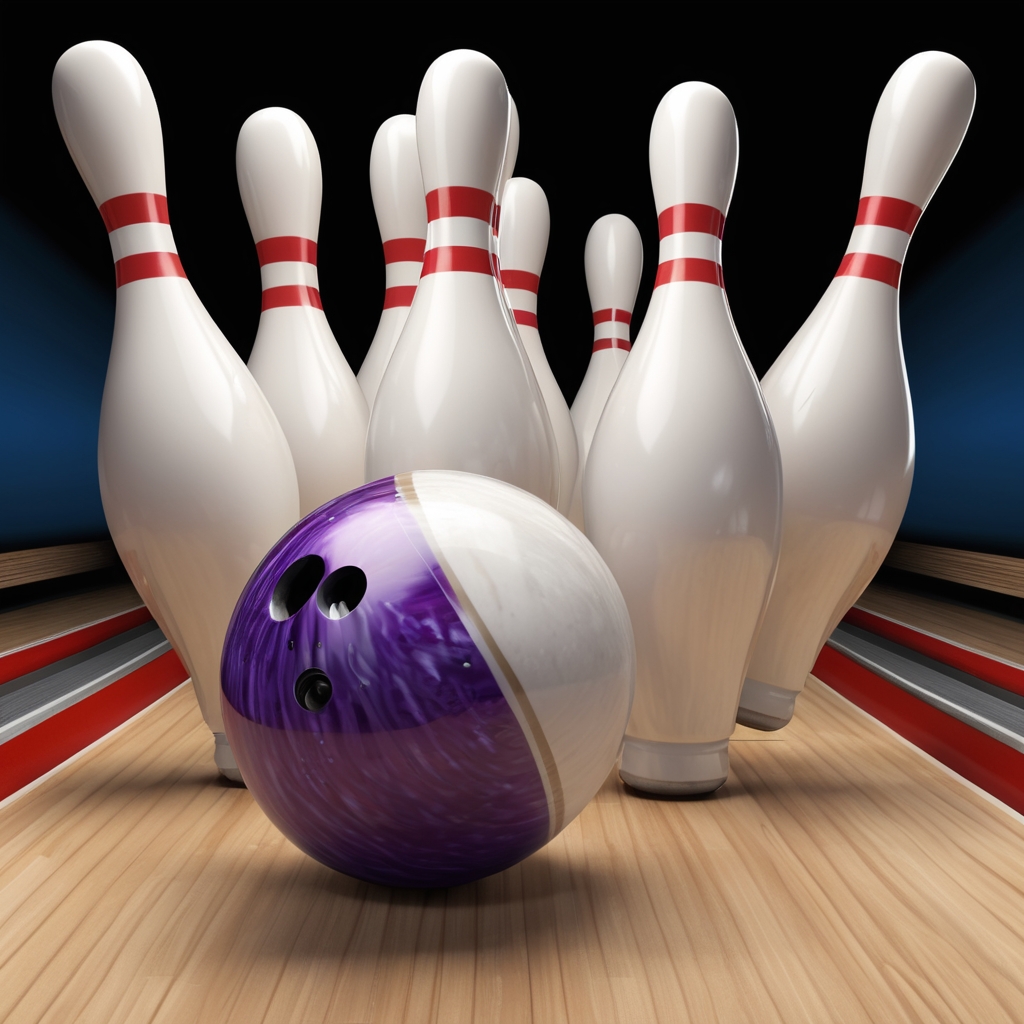
Few things in bowling are more frustrating than this: you make what feels like a good shot, the ball hits the pocket… and the 10 pin is still standing. Everything looks right off your hand and downlane, yet you’re staring at a spare instead of a strike.
When this happens repeatedly, it’s easy to chalk it up to bad luck. But 10-pin leaves aren’t random — they’re feedback.
When a ball hits the pocket and doesn’t strike, something specific went wrong in how the ball entered and traveled through the pins. In most cases, it comes down to one of two problems:
• An angle issue, where the ball enters the pocket on the wrong line
• An energy issue, where the ball doesn’t continue strongly enough through the pin deck
Understanding which of these caused your 10 pin is the key to fixing it.
In this article, we’ll break down the difference between ringing 10 pins and flat 10 pins, explain what’s actually happening when each one occurs, and show you how to identify which type you just left. Most importantly, you’ll learn which adjustment actually fixes the problem — so you’re not guessing the next time you hit the pocket and don’t strike.
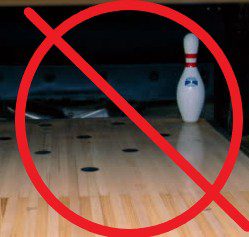
First, Stop Thinking “Pocket = Strike”
One of the biggest misconceptions in bowling is the idea that hitting the pocket automatically means you should strike. In reality, the pocket isn’t a single spot — it’s a zone. And how the ball enters and travels through that zone matters just as much as where it hits.
Two shots can hit the pocket and leave completely different results. One can split the 8–9 and strike clean, while the other leaves a stubborn 10 pin. The difference isn’t luck — it’s ball motion.
To understand why, there are three key factors that determine whether a pocket hit turns into a strike:
Entry Angle
Entry angle is the direction the ball is traveling as it enters the pocket. Too much angle can cause the ball to drive past the ideal line through the pins, while too little angle can limit pin action. The right entry angle allows the ball to drive through the 1–3 pocket and properly transfer energy to the pins.
Read more about Entry Angle here: Bowling Entry Angle and Why It’s More Than Just Hooking The Ball
Energy at Impact
Energy isn’t just about ball speed. It’s about how much usable energy the ball still has when it reaches the pins. A ball that has used up its energy too early — or hasn’t transitioned enough — is more likely to deflect, even on a pocket hit.
Ball Continuation Through the Pin Deck
Continuation is the ball’s ability to keep driving through the pins after contact. Strong continuation helps the ball push through the 5 pin area and create proper pin carry. Poor continuation leads to deflection, weak pin action, and flat 10s.
You’ll often hear bowlers talk about where the ball exits the pin deck — near the 8 pin, 9 pin, or farther right. Exit point can be a helpful clue in diagnosing what just happened, but it’s important to understand this: the exit point doesn’t explain why the shot didn’t strike. It simply confirms the result of the ball motion that occurred before the pocket.
Once you stop thinking of the pocket as a guaranteed strike and start paying attention to angle, energy, and continuation, 10 pin leaves become much easier to diagnose — and much easier to fix.
Two Categories of 10 Pin Leaves
Once you move past the idea that every pocket hit should strike, diagnosing 10 pins becomes much simpler. Almost every 10 pin you leave fits into one of two categories.
Ringing 10 Pins = Angle Mismatch
A ringing 10 pin happens when the ball enters the pocket with the wrong direction. The ball has plenty of energy, but the entry angle causes the 6 pin to wrap around the 10 instead of driving through it.
Flat 10 Pins = Energy / Continuation Mismatch
A flat 10 pin occurs when the ball doesn’t continue strongly enough through the pin deck. Even with a decent entry angle, the ball deflects, leading to weak contact between the 3 and 6 pins and a “lazy” 6 that fails to take out the 10.
That’s it. Every adjustment you make after leaving a 10 pin should start with identifying which of these two problems you just had — angle or energy. Once you know that, the correct fix becomes much clearer.
Ringing 10 Pins: When Angle Outruns Energy
Ringing 10 pins are some of the most confusing leaves because the shot often looks great. The ball hits the pocket with authority, the rack explodes, and yet the 10 pin is still standing.
What You’ll See
A ringing 10 pin has a very recognizable look on the pin deck:
- The 6 pin wraps around the 10 pin instead of driving through it
- The 6 pin may fly in front of or behind the 10
- Often described as a “ringing 10” or “stone 10”
These shots usually don’t feel weak — in fact, they often feel too good.
What’s Actually Happening
Despite how strong the hit looks, the problem is direction, not power.
- The ball enters the pocket with too much angle
- The 3 pin contacts the inside half of the 6 pin
- The ball has plenty of energy, but it’s moving in the wrong direction to drive the 6 pin straight back
Because of this excessive angle, the 6 pin gets deflected around the 10 instead of through it.
Exit Point Clues
While exit point doesn’t explain why the shot didn’t strike, it can help confirm a ringing 10:
- The ball often exits near the 8 pin
- Occasionally between the 8 and 9 pins
These exit points are common when the ball enters steep and continues left through the pin deck.
Common Causes
Ringing 10 pins are typically the result of too much downlane angle:
- A steep breakpoint
- The ball checking too hard off the spot
- Missing right at the breakpoint
- Too much friction for the line being played
All of these situations create more angle than the pins can properly handle, even though the ball still has plenty of energy.
How to Fix Ringing 10 Pin Leaves
When you leave a ringing 10 pin, the instinct for many bowlers is to try to “hit it harder.” That’s almost never the answer. Ringing 10s aren’t caused by a lack of power — they’re caused by too much angle.
The goal is a smoother entry into the pocket, not more hit.
Typical Adjustments
Start with small, controlled moves. Big changes usually create new problems.
- Move left with your feet
A small move left helps the ball stay in the oil longer, which reduces how sharply it changes direction downlane. Even a one-board move can be enough to soften the entry angle. - Get the ball into oil slightly longer
Whether through a move or a target adjustment, allowing the ball to spend more time in oil delays the hook just enough to improve direction through the pocket. - Reduce angle, not power
Keep your speed and release the same. The fix comes from changing where and how the ball hooks, not from throwing it harder or trying to guide it.
Equipment Considerations (Optional)
If the problem persists despite good adjustments, equipment may be part of the equation:
- A cleaner coverstock can help reduce early friction
- A slightly weaker layout can smooth out the breakpoint and control downlane angle
The key takeaway is simple: ringing 10 pins mean you have plenty of energy. You just need to control the direction that energy is traveling through the pins.
Flat 10 Pins: When the Ball Doesn’t Continue
Flat 10 pins are often more frustrating than ringing 10s because they feel like they should have been strikes. The shot doesn’t look terrible, the ball gets to the pocket, and yet the result is a weak-looking leave.
What You’ll See
Flat 10 pins have a very different look than ringing 10s:
- The 6 pin lays in the gutter
- The 6 pin falls late and never reaches the 10
- The hit looks lazy or weak
- The common reaction is, “That should’ve struck.”
These leaves rarely look violent or explosive, which is a big clue.
What’s Actually Happening
Despite hitting the pocket, the ball simply doesn’t continue through the pins:
- The ball deflects after contacting the head pin
- The 3 pin contacts the 6 pin softly or slightly off-center
- The 6 pin loses forward momentum and can’t drive through the 10
In most cases, this has very little to do with entry angle. The direction into the pocket may be acceptable, but the ball doesn’t have enough usable energy or continuation to finish the job.
Understanding that flat 10 pins are primarily a continuation problem sets the stage for making the correct adjustment instead of chasing angle changes that won’t fix the issue.
Next, we’ll break flat 10s down further by looking at why the ball loses continuation — starting with early roll and used-up energy.
Flat 10 – Version 1: Early Roll / Used-Up Energy
This version of the flat 10 happens when the ball uses up too much of its energy before it ever reaches the pins. The shot may look controlled, but by the time the ball gets to the pocket, it no longer has the continuation needed to carry the 10.
Ball Motion
When this type of flat 10 occurs, the ball motion usually looks like this:
- The ball reads the lane too early
- It rolls forward well before reaching the pocket
- It loses continuation through the pin deck
Instead of driving through the pins, the ball hits and deflects.
Likely Causes
Early roll flat 10s are typically caused by too much friction too soon:
- Too much surface on the ball
- A ball that’s too strong for the condition
- Missing the breakpoint left, causing the ball to see friction early
- Too much friction in the front or midlane
All of these lead to the ball burning energy before it reaches the pins.
Typical Exit Point
A common clue for this type of flat 10 is where the ball exits the pin deck:
- The ball often exits to the right of the 9 pin
Again, the exit point doesn’t explain why the shot didn’t strike, but it’s a strong confirmation that the ball rolled too early and deflected through the pins.
Next up is Flat 10 – Version 2: Late Roll / Skid-Deflection, which looks similar on the scoreboard but comes from the opposite problem downlane.
Flat 10 – Version 2: Late Roll / Skid-Deflection
While early-roll flat 10s come from the ball using up too much energy, this version happens when the ball never quite uses enough before it reaches the pocket. The result on the pin deck looks weak, but for a very different reason.
Ball Motion
With this type of flat 10, the ball motion typically looks like this:
- The ball skids too long
- It enters the pocket without fully transitioning into roll
- The ball still deflects after contact
Even though the ball may look like it has angle, it lacks the stability and continuation needed to drive through the pins.
Likely Causes
Late-roll flat 10s are usually the result of not enough traction downlane:
- Missing the breakpoint right, keeping the ball in oil too long
- A ball that’s too clean for the lane condition
- Ball speed that’s slightly high for the pattern
All of these prevent the ball from picking up soon enough to create strong continuation.
Typical Exit Point
Common exit-point clues for this version include:
- The ball exiting near the 8 pin
- Or through a weak 9 pin area
As with other 10 pin leaves, the exit point helps confirm what you’re seeing, but the real cause lies in how the ball transitioned before it ever reached the pocket.
Next, we’ll tie both flat 10 versions together with how to fix flat 10 pins using the correct adjustments for each situation.
How to Fix Flat 10 Pin Leaves
When you leave a flat 10 pin, it’s tempting to start changing your angle or trying to “open the lane up” more. In most cases, that only makes things worse. Flat 10s are not primarily an angle problem — they’re a continuation problem.
The goal is simple: improve how the ball continues through the pin deck.
Common Adjustments
The right move depends on why the ball lost continuation, but these are the most effective starting points:
- Make a small move right
A one-board move with your feet can help the ball retain more energy and reduce deflection at the pocket. This is often enough to turn a flat 10 into a strike. - Create a cleaner path to the breakpoint
Improving your angle through the front part of the lane allows the ball to store energy for the pins. This doesn’t mean more angle downlane — it means less friction early. - Match the adjustment to the version of flat 10
- If the ball rolled too early, you want less friction and a cleaner look
- If the ball skidded too long, you want an earlier read or stronger motion downlane
Understanding which version you left makes this decision much easier.
Equipment Notes
If physical moves don’t fully solve the problem, equipment changes can help fine-tune continuation:
- Surface adjustments can dramatically change how the ball transitions
- A stronger coverstock can help when the ball is skidding too long
- A cleaner coverstock can help when the ball is rolling too early
The key is staying focused on continuation. If the ball can keep driving through the pins, flat 10s disappear quickly.
Next up, we’ll connect everything back to the breakpoint, and why most 10 pins actually start before the ball ever reaches the pocket.
The Breakpoint Connection
One of the biggest mistakes bowlers make when diagnosing 10 pin leaves is focusing only on what happens at the pins. In reality, most 10 pins start well before the ball ever reaches the pocket.
The breakpoint — where the ball changes direction downlane — plays a major role in whether the ball arrives at the pocket with the right angle and the right amount of energy.
How Missed Breakpoints Create 10 Pins
Different breakpoint misses tend to produce very specific 10 pin leaves:
- Early hook → early-roll flat 10 pin leaves
When the ball reaches the breakpoint too soon or hooks early, it sees friction too early, uses up energy, and loses continuation through the pins. - Late hook → skid flat 10 pin leaves
When the ball misses the breakpoint right and stays in oil too long, it doesn’t fully transition before the pocket. The ball deflects, leading to a weak 6 pin. - Steep angle → ringing 10 pin leaves
When the breakpoint is too far right or too sharp, the ball enters the pocket with excessive angle. The ball has energy, but the direction causes the 6 pin to wrap around the 10.
Why This Matters for Lane Play
Understanding this connection helps you make smarter adjustments:
- Better targeting, because you know what the ball needs to do at the breakpoint
- More confident lane-play decisions, instead of guessing after each 10 pin
- Improved transition management, as the lanes break down and friction changes
Once you start diagnosing 10 pins from the breakpoint forward — instead of only from the pocket backward — your adjustments become faster, smaller, and far more effective.
Next, we’ll wrap everything together with a quick diagnostic cheat sheet you can use during league or tournament play.
Quick Diagnostic Cheat Sheet
When you leave a 10 pin, you don’t need to overanalyze it. Use this simple checklist to decide what to change — and just as importantly, what not to change.
- Ringing 10 pin → Reduce angle
The ball has energy, but it’s entering too steep. Smooth the entry and control direction. Move feet 1 board left (for righties). - Flat 10 pin → Improve continuation
The ball is deflecting. Focus on storing or creating usable energy through the pins. Move feet 1 board right (for righties). - Exit point = clue, not the solution
Where the ball exits the pin deck helps confirm what happened, but it doesn’t tell you what adjustment to make by itself. - Don’t change everything at once
Make one small, intentional move. Big or multiple changes make it harder to learn what actually fixed the problem.
Keep this framework in mind, and 10 pins stop being frustrating guesses and start becoming useful information you can act on immediately.
Final Thoughts
Leaving a 10 pin doesn’t mean you threw a bad shot — and it definitely doesn’t mean you got unlucky. 10 pin leaves are feedback. They’re the lane and the pins telling you something about your ball motion.
When you learn to correctly diagnose whether you left a ringing 10 or a flat 10, the solution becomes much clearer. Instead of making random moves or changing everything at once, you can make one smart adjustment that actually addresses the problem.
As you bowl, pay attention to:
- Ball motion, especially how the ball transitions before the pocket
- The 6 pin, since it tells the real story of what happened at impact
- Small, intentional adjustments, rather than guessing or overcorrecting
The more you treat 10 pin leaves as information instead of frustration, the faster your carry improves. And once you understand why the ball didn’t strike, turning those pocket hits into strikes becomes a lot more repeatable.