When It Helps and When It Hurts Your Ball Reaction
“Giving the ball more hand” is one of the most common adjustments bowlers talk about — and one of the most misunderstood.
A lot of bowlers think it simply means more hook. In reality, this adjustment is about shape and continuation, not just watching the ball cover more boards. Used at the right time, it can help the ball finish stronger and drive through the pins. Used at the wrong time, it can make the reaction worse fast.
Let’s break down what giving the ball more hand actually does, when it works, and when you should avoid it.
What This Adjustment Is (Plain English)
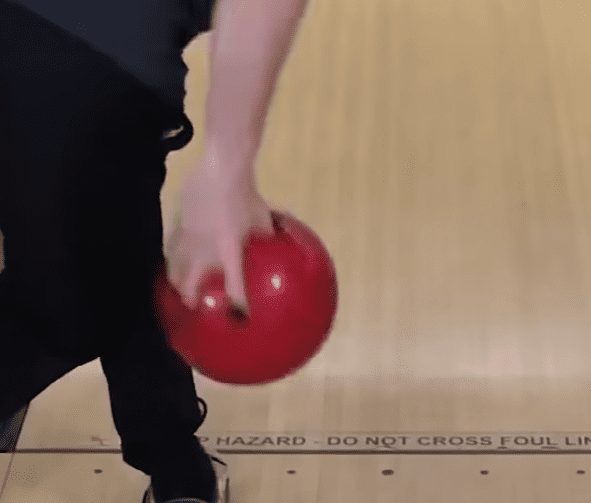
Giving the ball more hand means allowing your hand to stay behind the ball slightly longer at release, increasing axis rotation.
It does not mean:
- Throwing the ball harder
- Muscling the swing
- Spinning the ball around the side
The goal is a cleaner release that lets the ball retain energy longer and change direction more decisively downlane, not just hook earlier or more overall.
What Problem It’s Meant to Solve
This adjustment is usually made when the ball reaction looks okay but the result isn’t.
Common signs:
- Flat 10s or weak corners
- The ball hooks but doesn’t drive
- Hits that deflect instead of going through the pins
If you’ve already moved left and the ball is now dying or lagging at the pins, giving the ball more hand can sometimes restore continuation.
What It Changes in Ball Motion
When you give the ball more hand, you’re typically increasing axis rotation, which changes how the ball transitions from hook to roll.
What you’ll usually see:
- More backend shape
- A sharper move at the breakpoint
- Better continuation through the pin deck
On lanes that are more burned up with less oil in the front, this can help the ball get through the heads cleaner, store energy, and still finish.
Important note: this doesn’t always mean the ball hooks more overall — it often just hooks stronger.
When This Adjustment Works Best
Giving the ball more hand works best:
- During transition, when the fronts are going away
- On longer patterns that still have hold in the middle
- When you’re already inside and the ball is starting to lose pop
If the lane has friction early but still supports a defined breakpoint, more hand can help the ball stop rolling too early and finish properly.
When It Usually Makes Things Worse
This adjustment can go sideways quickly on the wrong condition.
It usually hurts on:
- Wet/dry house shots
- Over/under reactions
- Cliffed lanes with big friction outside
More axis rotation exaggerates lane differences. If your ball reaction already feels unpredictable, giving the ball more hand often makes misses bigger — not smaller.
Common Mistakes Bowlers Make
Most problems come from forcing the adjustment.
Common mistakes include:
- Muscling the swing to “add hand”
- Rotating too early in the downswing
- Turning the ball instead of letting rotation happen naturally
These moves often hurt timing, accuracy, and repeatability — even if the ball looks stronger for a frame or two.
How to Try It (Simple, Practical Cues)
Think feel-based, not mechanical.
Try cues like:
- Letting your hand stay behind the ball just a touch longer
- Feeling your fingers rotate through the ball at release
- Thinking “smooth finish” instead of “more hook”
If it feels forced or you’re throwing harder, you’ve already gone too far.
When to Abandon It and Try Something Else
Giving the ball more hand is just one tool — not a fix for everything.
Move on if:
- Your misses get wider
- The ball reaction becomes jumpy
- You’re striking less even though the ball looks stronger
At that point, you’re usually better off changing:
- Ball selection
- Speed
- Axis tilt or launch angle
instead of trying to manufacture more rotation.
Final Thought
Giving the ball more hand can be a smart, subtle adjustment when the ball is quitting and leaving weak corners. But it’s highly condition-dependent, and forcing it often creates more problems than it solves.
Understanding when to use it — and when not to — is what separates guessing from real lane play.