
Setting the Stage: The Tournament Context
This tournament was a Baker-format event with a mixed-experience team. We had one other adult coach I work with at the high school level and two high school bowlers. On paper, we weren’t the favorites. There was another team from our program there that was clearly the “A” team. We went in fully aware that we were the underdogs.
The format matters here, but not because this story is only about Baker bowling. While this particular event was a tournament, the lessons apply just as much to league bowling, practice sessions, or any situation where lanes are changing and decisions have to be made quickly.
Baker format simply magnifies everything. Each bowler only throws a few shots per game, which means there’s very little time to “feel things out.” Lane transition happens fast, and there’s no room to stubbornly stay in the same place hoping the lanes come back. Every shot carries more weight, and reading ball motion correctly becomes far more important than making perfect shots.
On top of that, I was wearing two hats the entire day — competing and coaching at the same time. That meant not only making my own bowling lane transition adjustments, but also helping two younger bowlers understand what the lanes were doing. Highlighting why certain moves were needed, and how to stay ahead of the transition instead of reacting too late.
That combination — a high-pressure format, mixed experience levels, and constantly changing lanes — made this tournament a great real-world test of lane reading, adjustment timing, and decision-making.
The Pattern That Wasn’t Quite a House Shot
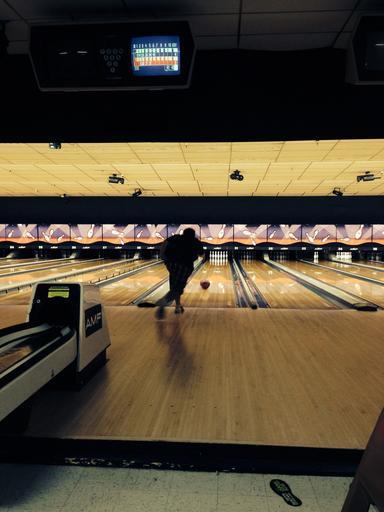
The pattern was labeled as a typical house shot, but from the very beginning it didn’t play like one. The volume felt heavier than what most bowlers would expect in a standard league environment, especially early in the block.
My working theory is that this was intentional. At a lot of high school tournaments, centers will put out a heavier-volume THS so it can hold up over a long day. With 14 or more games bowled on the same pattern, extra oil helps slow down transition. It also prevents the lanes from completely blowing open too quickly. On paper, it’s still a house shot — but in practice, it behaves differently.
The early ball motion told the story pretty quickly. Outside of about the 5 board, the friction was extremely unpredictable. Some shots would see the lane early and jump hard, while others would push and never quite recover. Inside wasn’t much better. There was so much hold in the middle of the lane that shots would sometimes hang on line too long, leading to weak hits or odd pin carry.
That combination — over/under to the outside and excessive hold inside — is a dangerous one. It creates the illusion of miss room, but in reality there isn’t much at all. If you miss right, you’re guessing. If you miss in, the ball can look fine until it reaches the pins and doesn’t finish the way you expect.
Identifying that early was critical. Instead of assuming the lanes would “come to me,” it forced me to start thinking in terms of bowling lane transition adjustments right away: choosing the right ball shapes, managing how early the ball read the lane, and paying close attention to how the ball went through the pins rather than just whether it struck or not.
That early recognition set the tone for the rest of the day.
Early Struggles: When Miss Room Doesn’t Exist
Early on, it became clear that there really wasn’t much miss room anywhere on the lane. Shots sent toward the outside, especially around the 5 board, were a classic over/under. One shot would see the friction early and jump through the nose, while the next would skate just enough to miss the spot and never fully recover.
Missing inside wasn’t any better. The heavier oil in the middle of the lane created so much hold that the ball would stay on line longer than expected, only to hit the pocket weak or deflect in strange ways. The ball reaction didn’t look terrible off my hand, but the pin carry told a different story.
I started the day with my Phaze II, which made sense given the pattern. On heavier volumes, a ball that can read the midlane and provide a smooth, predictable motion is usually a smart place to start. In theory, it should have helped blend out the over/under and give me a controllable look at the pocket.
In reality, the shape just wasn’t right. The Phaze II wanted to read too early in the wrong part of the lane, which magnified the lack of miss room instead of smoothing it out. I didn’t need the ball to slow down sooner — I needed a shape that would get through the front cleaner and still continue through the pins.
Recognizing that quickly was important. Rather than trying to “make it work” for a few more games, it was clear that this wasn’t a shot-execution problem. It was a ball motion problem, and that meant it was time to make the first real adjustment.
Managing Ball Motion Through Transition
Once the lanes started to transition, the focus shifted from simply finding the pocket to managing how the ball was getting there. This is where bowling lane transition adjustments become less about moving left or right and more about matching ball motion to what the lane is giving you. As a big picture, it was a lot of focus on the Bowling Ball Exit Point of the oil.
The first move was from the Phaze II to my Attention Star which is actually an overseas solid. That change immediately gave me a cleaner look through the front part of the lane and better continuation through the pins. The ball wasn’t laboring as much, and the carry improved even though the lanes were still tricky.
After a few games, though, I saw a familiar warning sign — one shot that hit the pocket and just didn’t go through the pins the way it should have. In normal league play, I might solve that by giving the ball a little more hand or slightly changing release to help it finish. I’ve written about that approach before, and in the right situation it can absolutely work.
In this case, though, that wasn’t the correct adjustment. With the pattern already showing signs of over/under and limited miss room, manipulating the release would have introduced even more variables. Instead of forcing shape, I chose to let the ball change do the work.
That led to a switch to the VEBO, which was a great look during the mid-transition. The ball read the lane strongly and continued well through the pins for a game or two. As the lanes continued to break down, however, that same strength became a problem. The VEBO started reading too early, especially when I missed slightly toward the friction, and the margin for error shrank again.
At that point, I made a bigger adjustment and dropped down to the Electrify. With a weaker, cleaner cover and a weaker core, it allowed me to control the front part of the lane without sacrificing hit. Along with the ball change, I moved my feet about 3–4 boards to the right and adjusted my target from roughly 16 at the arrows to around 13.
That combination opened the lane back up. The ball was able to get through the fronts cleanly, pick up its roll in the right part of the lane, and enter the pocket with a much better shape. Instead of fighting early hook or excessive hold, I was back to seeing predictable motion and strong continuation through the pins.
Following the Lanes — Not Forcing a Line
As the block continued, the lanes kept transitioning, but not in a straight-line, predictable way. Instead of making one big move and staying there, the adjustments became more gradual. I moved left a board or two at a time as needed. I kept paying close attention to how the ball was exiting the pattern and going through the pins.
Interestingly, as the fronts broke down and the ball started clearing them more easily, I found myself working back toward angles that were closer to where I started earlier in the day. The difference wasn’t where I was playing, but how the ball was getting there. Cleaner ball motion through the fronts allowed me to stay more in front of the lane without the ball reading too early.
That’s an important lesson when it comes to bowling lane transition adjustments. Transition doesn’t always mean chasing the oil left frame after frame. Sometimes the lane opens back up as friction develops in the right places. This allows you to return to familiar angles with a different ball shape or speed profile.
Forcing yourself to keep moving left just because “that’s what transition does” can actually make things worse. In this case, staying patient, making smaller moves, and letting the lane tell the story led to better ball motion and more consistent results.
Pair Differences and Using Loft as a Tool
One thing that became very noticeable as the day went on was how differently each lane on the pair was playing. On one lane, the ball wanted to read early and slow down too soon. On the other, it cleared the fronts more easily and finished the way I expected. Treating them as identical would have been a mistake.
On the lane that was reading early, I used loft as a way to delay the ball’s reaction. This got the ball a bit farther down the lane to the breakpoint I wanted. For a short stretch, that adjustment worked exactly as intended. For an in depth description of this technique, read about it HERE
The key was recognizing when that solution stopped being correct. When I moved to the other lane on the same pair, it didn’t work. The added loft caused the ball to get too far down the lane. This caused it to read late, missing pocket completely. So I adjusted back to a normal shot on the lane that didn’t require it.
That flexibility is critical when making bowling lane transition adjustments. Loft is a tool, not a permanent fix. Knowing when to use it — and when to abandon it — can be the difference between controlling a pair and fighting it.
A Quick Arsenal Reflection
Looking back at the day, there was one interesting takeaway. It was how little I needed to rely on having a perfectly spaced lineup of balls once the correct adjustments were made.
The arsenal I brought included the VEBO, Phaze II, Attention Star, Revenant, Electrify, and a spare ball. In many situations, the Revenant serves as a natural bridge between the VEBO and the Electrify. In this tournament, though, it never came out of the bag — and that wasn’t a problem.
By moving my feet a few boards right and adjusting my target inside with the Electrify, I was able to create the shape I needed without forcing a ball change. That combination let me play a line that the Revenant would normally cover. In other words, better alignment choices made the extra ball unnecessary.
If there’s one thing I would consider changing in hindsight, it’s not adding another “in-between” piece. Instead, a weaker solid could have been a useful option, especially early in the block when the lanes were tricky and unpredictable. A straighter line with a smoother, more controlled solid shape might have blended the pattern sooner and reduced some of the early over/under.
The bigger lesson is that arsenal decisions don’t exist in a vacuum. Ball choice, alignment, and target selection all work together. Sometimes the right move isn’t pulling a different ball — it’s changing how you use the one already in your hand.
Coaching in the Middle of Competition
One of the most rewarding parts of the day was coaching in real time while competing. With two high school bowlers on the team, the goal wasn’t just to tell them where to move or what ball to throw — it was to help them understand what the lanes were actually doing.
As the pattern transitioned, I focused on explaining why certain moves were needed. Instead of saying “move left” or “change balls,” the conversations were about ball motion. Talking about where the ball was reading the lane, whether it was using too much energy early, and how it was going through the pins. Once they could see the cause, the adjustment itself made more sense.
Complex lane reads were translated into simple, actionable cues. Things like adjusting the breakpoint, choosing a cleaner ball to get through the fronts, or recognizing when the ball was starting to hook too early. Keeping the information clear and focused helped prevent overload. This was helpful especially in a Baker format where decisions have to be made quickly.
The best part was watching it click. As they understood the plan, their execution improved. They committed to their shots, trusted the moves, and stayed ahead of the transition instead of reacting to it late. That confidence showed up on the scoreboard and helped keep the team competitive as the pressure increased.
This is where bowling lane transition adjustments go beyond individual performance. When everyone understands what’s happening on the lanes and why adjustments are being made, the entire team benefits.
Bracket Play: Trusting the Process Under Pressure
When bracket play started, we slipped in as the 15 seed out of 16. At that point, expectations were pretty low from the outside, but internally the mindset was clear: trust the work and keep making smart decisions.
Under that kind of pressure, it’s easy to abandon what’s been working and start chasing strikes. Instead, the focus stayed on making clean, confident bowling lane transition adjustments. That meant committing to ball choices, making purposeful moves, and paying close attention to ball motion and entry angle rather than just the result of the previous shot.
As the matches went on, that commitment paid off. Adjustments were made without hesitation, and there was no second-guessing once a decision was made. The ball was entering the pocket with the right shape, continuing through the pins, and carrying well — even when the lanes continued to change.
By staying disciplined and process-driven, we kept winning matches and eventually worked our way to a 2nd place finish overall. For an underdog team, that result was satisfying, but what mattered more was how it happened. The decisions held up under pressure, and the adjustments didn’t change just because the moment got bigger.
The Bigger Takeaway: Why This Felt Different
What stood out most about this tournament wasn’t the score or even the final placement — it was the approach. Instead of chasing strikes, the focus stayed on shaping the pocket. Every decision revolved around controlling the breakpoint and maintaining proper ball motion, not forcing results.
Paying attention to how the ball was reading the lane, how it was transitioning, and how it was entering the pocket made the adjustments feel intentional instead of reactive. Entry angle wasn’t something to hope for — it was something that could be managed through ball choice, alignment, and target changes.
This tournament felt like proof that preparation matters. The time spent studying lane transition, ball motion, and pattern breakdown showed up when it counted. Adjustments were made earlier, with more confidence, and without the frustration that usually comes from guessing or forcing shots.
More than anything, it felt like a turning point. Not because everything was perfect, but because the decisions were sound. When you trust the process and focus on the right variables, the game slows down — even under pressure.
Final Reflection
At the end of the day, the final result mattered less than how it was achieved. Finishing second was rewarding, but the execution and decision-making throughout the tournament were what made it meaningful. The adjustments were timely, the choices were intentional, and the process held up from start to finish.
This experience also built confidence on two levels. As a bowler, it reinforced the ability to read lanes accurately and make effective bowling lane transition adjustments under pressure. As a coach, it validated the importance of being able to see the whole picture — not just one shot or one bowler at a time.
One of the biggest advantages during the event was watching every shot on the pair, not just my own. Even with different rev rates, ball speeds, axis rotation, and tilt, each bowler’s ball motion provided useful information. What my teammates’ balls did through the fronts, at the breakpoint, and through the pins helped inform my own adjustments. It went went the other way too with my motion helping them.
That awareness is a skill in itself. Lane reading isn’t limited to the ball in your hand. The more you pay attention to what every shot is telling you, the more control you gain over the lanes — and that’s where consistency and confidence really come from.